Professional Wheel Alignments

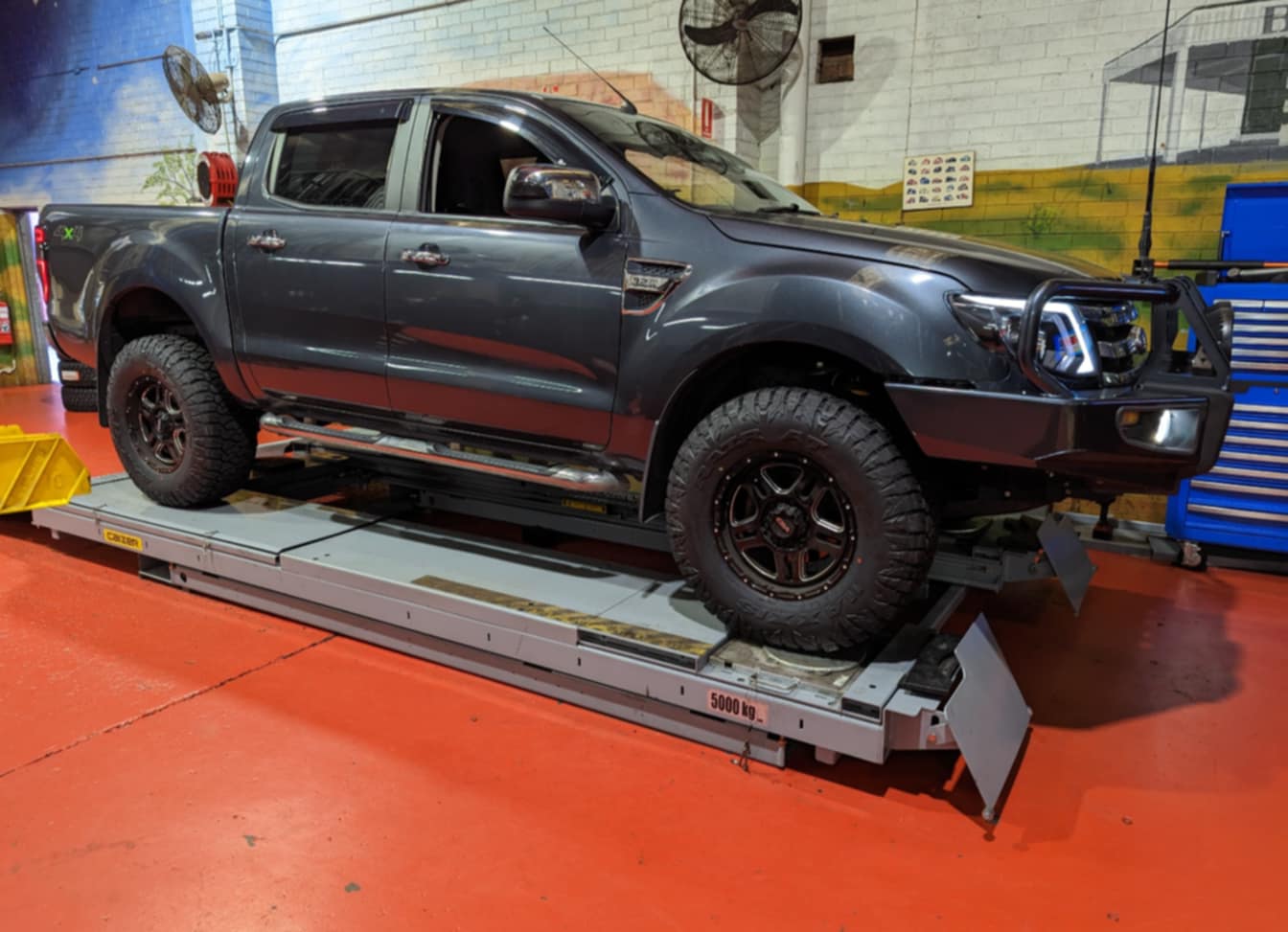
Experience the highest level of precision with our state-of-the-art Hunter alignment machine, the most advanced technology available.

Book an Alignment
Hunter Wheel Alignment Machine

What Is Wheel Alignment?

Wheel alignment refers to the adjustment of your vehicle's suspension components, the system that connects your vehicle to its wheels. Correct alignment ensures your tyres make proper contact with the road.

Over time, wheels can gradually drift out of alignment due to normal driving, potholes, kerb impacts, and general wear. Even small misalignments can cause significant tyre wear and affect your vehicle's handling.

We use the Hunter Engineering alignment system, the industry's most advanced and accurate alignment technology, to ensure your vehicle is aligned to manufacturer specifications.

Why Wheel Alignment Matters

Misaligned wheels affect more than just your tyres. They impact your safety, fuel costs, and driving experience.

Extends Tyre Life

Properly aligned wheels wear evenly across the full tread width, significantly extending the life of your tyres and saving you money.

Improves Fuel Economy

Misaligned tyres create additional rolling resistance, meaning your engine has to work harder and use more fuel. Alignment can improve your MPG.

Better Handling

Correct alignment means your vehicle drives straight and handles as the manufacturer intended, with no pulling to one side, no vibration.

Improved Safety

Misalignment can compromise braking distance and handling in emergency situations. Proper alignment keeps you safer on the road.

Reduces Wear on Components

Bad alignment puts stress on steering and suspension components, leading to premature wear and expensive repairs down the line.

Protect Your Investment

New tyres are an investment. An alignment at the same time ensures they wear correctly from day one and last as long as possible.

Signs You May Need an Alignment

Common Symptoms

  • Vehicle pulls to the left or right on a straight road
  • Steering wheel is off-centre when driving straight
  • Uneven or rapid tyre wear
  • Vibration through the steering wheel
  • Squealing tyres on turns

When to Check Alignment

  • After fitting new tyres
  • After hitting a significant pothole or kerb
  • After a vehicle collision or fender bender
  • Every 15,000โ€“20,000 km as routine maintenance
  • Whenever you notice any of the symptoms above

Book a Wheel Alignment Today

Add a wheel alignment to your tyre fitting order, or book one standalone. We'll include it in your quote.

Request a Quote