Understanding Tyre Sizing
How tyre size codes work - width, profile, rim diameter, load index, and speed rating. Use our interactive guide below.
How to Find Your Tyre Size
The best way to find your tyre size is by examining the sidewall of your current tyres. Look for a code like 205/55R16 91V - it contains all the essential information about your tyre's dimensions and capabilities.
Important: Check both front and rear tyres to confirm if your vehicle has staggered fitment (different front/rear sizes). This is common on European performance cars.
Want wheels and tyres matched to your exact vehicle?
This page just explains the numbers. Our Combo Finder looks up your vehicle and shows you wheels and tyres guaranteed to fit.
205/55R16 91V
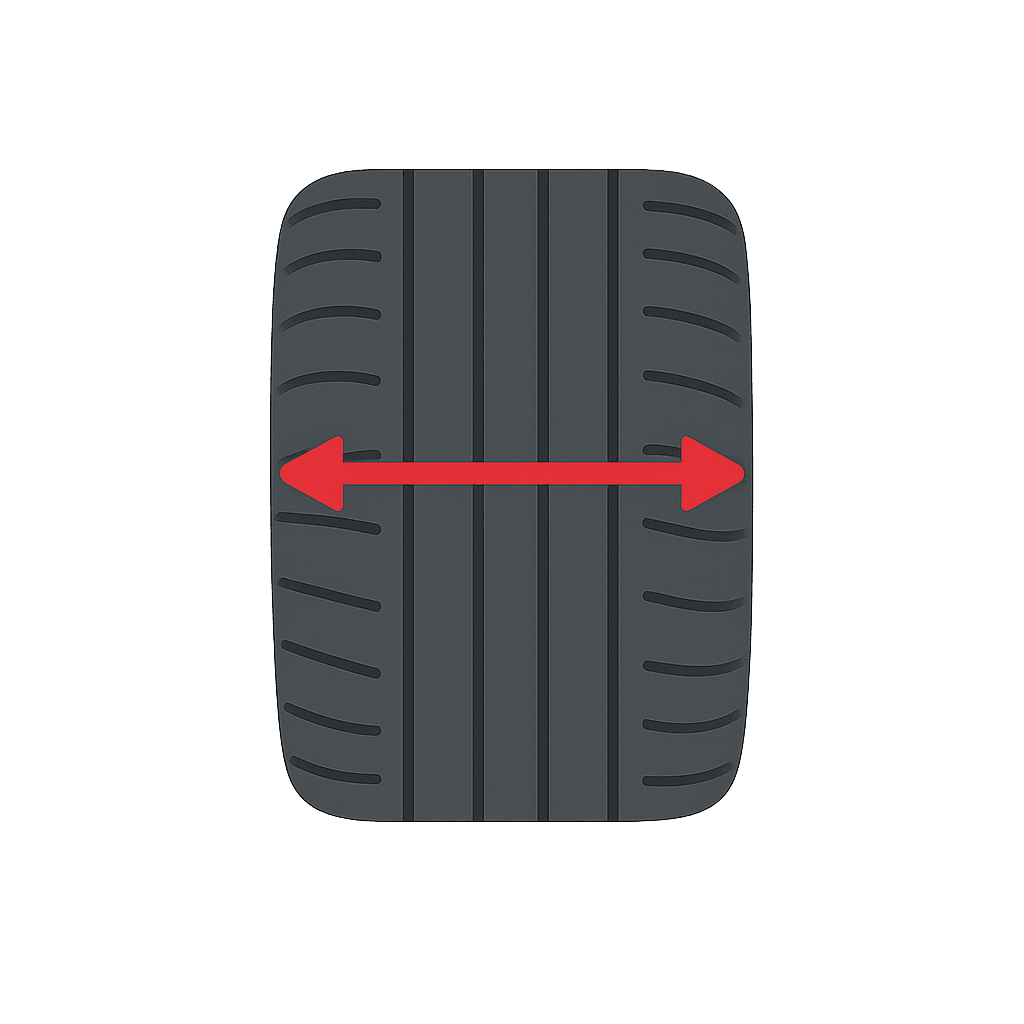
Width
The section width of the tyre in millimetres, measured from inner sidewall to outer sidewall at the widest point.
Tyre Size Reference Guide+
Tread Wear & UTQG Ratings
UTQG (Uniform Tire Quality Grading) includes three ratings:
- Treadwear: Comparative rating of a tyre's wear rate. Higher numbers indicate longer tread life.
- Traction: Rated AA, A, B, or C (AA is best) for a tyre's ability to stop on wet surfaces.
- Temperature: Rated A, B, or C (A is best) for a tyre's resistance to heat buildup.
"500 A A" means 500 treadwear, A traction, A temperature
Understanding DOT Codes
The DOT code on your tyre sidewall contains important manufacturing information:
- First 2-3 characters: Manufacturing plant code
- Next 5-7 characters: Tyre size and specification
- Last 4 digits: Date of manufacture (week/year)
"2519" means manufactured in the 25th week of 2019
When to Replace Your Tyres
Consider replacing your tyres when:
- Tread depth is below 1.6mm (legal minimum in Australia)
- Visible damage like cuts, bulges, or cracks appears
- Uneven wear patterns develop across the tread
- Tyres are more than 5–6 years old (even with good tread)
- Vehicle handling feels compromised or unstable
Common Tyre Types & Their Uses
A note on compliance+
Changing your tyre or wheel size, or fitting a suspension lift, can affect your vehicle's compliance with the Australian Design Rules (ADR) and your state or territory's vehicle modification requirements. Some changes are fine as-is; larger changes may need engineering certification before the vehicle can be legally registered or insured. Rules vary by state, so it's your responsibility to check with your local registration authority (or a licensed vehicle certifier) before modifying your vehicle. Give us a call if you'd like help understanding what a particular size or lift means for your specific vehicle.